
How to Find Coachella Residents
No single public roster lists everyone in Coachella. Each record type answers only part of the question. An assessor parcel record names an owner, not every person tied to the address. A recorded deed shows parties to one transaction. A court index shows a case role, not a home. A directory or obituary can place a household in time, yet still needs corroboration. So the useful question is not simply who appears in a search. It is which custodian can answer the narrow question at hand.
Start from the strongest anchor you have. An address can lead to an APN. Then comes an assessment roll and a deed name. A full name can open a court case, business filing, license, or probate file. A date plus a family relationship narrows a vital-record request. The steps below keep those trails separate and track what each result actually proves.
For a birth copy, the California certified-copy application route lays out the VS 111 and sworn-statement process. The Riverside ACR vital-records page handles county birth, death, and marriage ordering.
- Resolve the Coachella address in Riverside Assessor Online Services and save the APN, situs, and legal-description details.
- Use the assessment roll at a Riverside ACR office when an owner name or tax-mailing destination is needed.
- Search that name in the Riverside recorder index, then compare parties, dates, document type, and legal description.
- Run the appropriate Riverside Superior Court, vital-record, business, license, or archive search for a second anchor.
- Use Coachella NextRequest or a custodian form for an identifiable existing record that is not online.
Note: A search result is a lead until a second record confirms the same person, place, date, or legal description.
Coachella Resident Records Offices
Coachella is an incorporated city inside Riverside County. So a resident-record trail crosses city, county, and state lines. The City Clerk keeps minutes, resolutions, ordinances, and agreements. Coachella Development Services holds building and code material for work within city limits. Riverside County Assessor-County Clerk-Recorder owns the parcel, assessment, deed, fictitious-business-name, marriage, and recording trail. Civil, criminal, family, and probate cases belong to Riverside Superior Court, not the County Clerk.
Geography shapes the errand list. The nearest eastern-county ACR counter sits in Palm Desert. Older deed research from before the online boundary routes to Gateway Riverside. The Indio court locations serve the eastern valley. So one Coachella question may demand a city request, a county counter visit, an Indio court search, and a state form. That means the answer can span several offices.
Riverside County ACR Recorder
Recorded deeds, liens, releases, maps, notices, clerk filings, and copy orders.
Riverside County Assessor
Address, APN, and PIN parcel search online; assessment-roll ownership is inspected at an office.
Riverside Registrar of Voters
California voter status is an authenticated self-lookup. Qualified file access has a separate purpose review.
The Riverside ACR document-search portal shows the party, date, document, and copy-order route for recorded instruments.
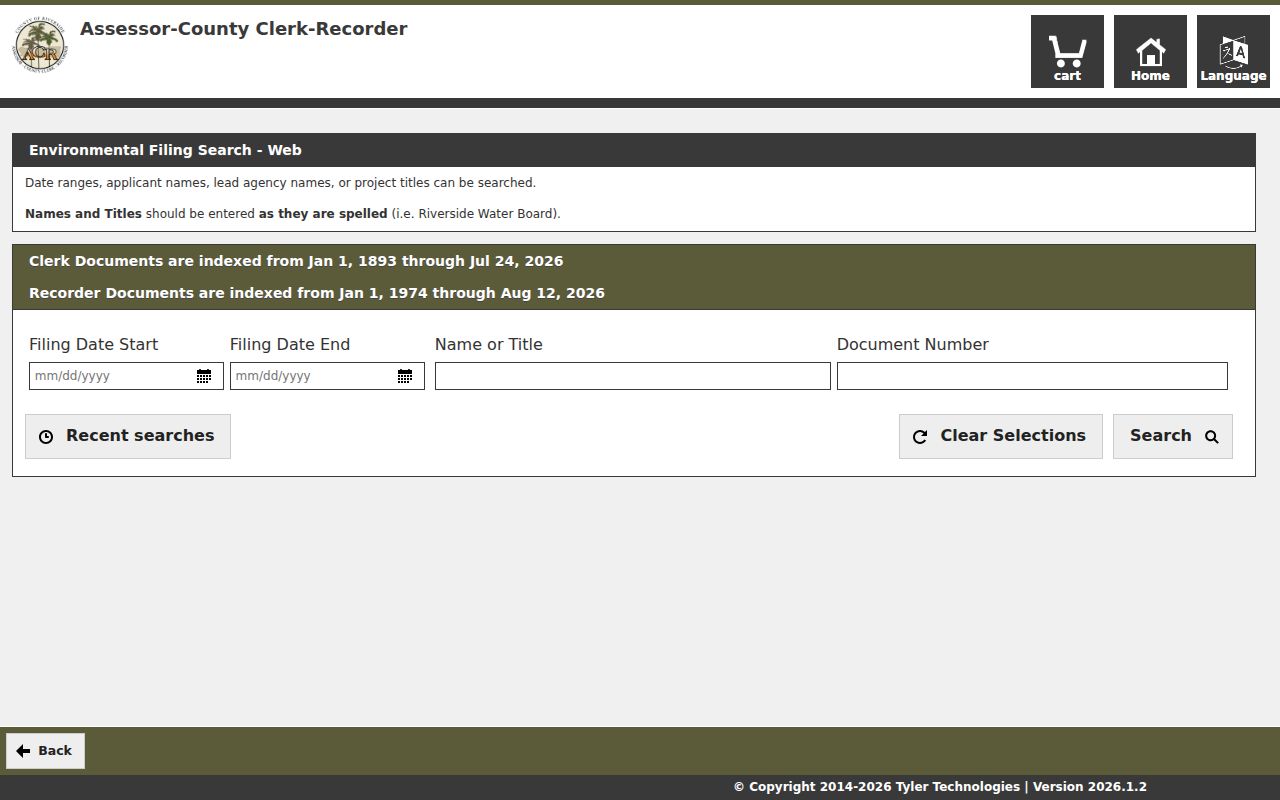
Each office answers a different question. The ACR parcel search finds the parcel. The roll can show the owner at inspection. The recorder links names to instruments. The City Clerk can locate civic participation. An agenda name is not proof of residence, though. The registrar confirms a person's own registration status, never a neighbor's address. Keeping those distinctions visible keeps a residents directory search from becoming a guess.
Coachella Addresses Become Parcels
Start with Riverside Assessor Online Services when all you hold is a Coachella street address. The portal offers search fields for an Assessment Number, called a PIN or APN, or a Property Address. For the PIN, enter the first nine digits. Drop the dash. Drop the final digit too. A match returns the APN or PIN, situs, legal-description fragments, land use, assessed land and improvement values, the tax-rate area, building characteristics, valuation history, and map views. That is a rich parcel profile for one query.
Owner names stop there. Riverside's ACR FAQ states that ownership is not shown online, though anyone may inspect the assessment roll at an office under Revenue and Taxation Code section 408. A mailing address on that roll is simply where tax mail goes. It does not prove an owner lives at the situs. When the goal widens from one parcel to its neighbors, the Coachella street directory page walks the surrounding address chain.
| Assessor field | What to enter or read |
|---|---|
| Assessment Number / PIN | First nine digits, with the displayed dash and final digit omitted. |
| APN | Use the parcel number format shown by Riverside’s form. |
| Property Address | Street number and street name, such as a numbered avenue or named road. |
| Parcel result | APN, situs, legal description, values, characteristics, and map context. |
Note: The assessor portal resolves an address to a parcel, while owner inspection happens through the assessment roll at an ACR office.
Why the Online Owner Search Stops
The split between parcel facts and owner inspection is a Coachella-specific quirk worth understanding. The web form identifies a parcel without publishing any name list. At the counter, the same roll can be inspected by address or APN. That design keeps a property record distinct from a residents directory. The roll may show an owner. It may also show a tax-mailing destination as of the roll date. It does not list every household member. It cannot prove who lives there today.
A lawful research purpose may call for a deed trail. Carry the owner or party name into the ACR document search. The recorder index is keyed by party, date, document number, and title. It is not an address search. Read the legal description and the recording date. Only then link any deed to a parcel. A failed online owner search is a limitation of the county's design. It is not evidence that the parcel lacks an owner record.
Riverside explains the online ownership boundary in its Assessor FAQ. The capture shows why a Coachella address search should begin with an APN and continue at the assessment-roll counter.
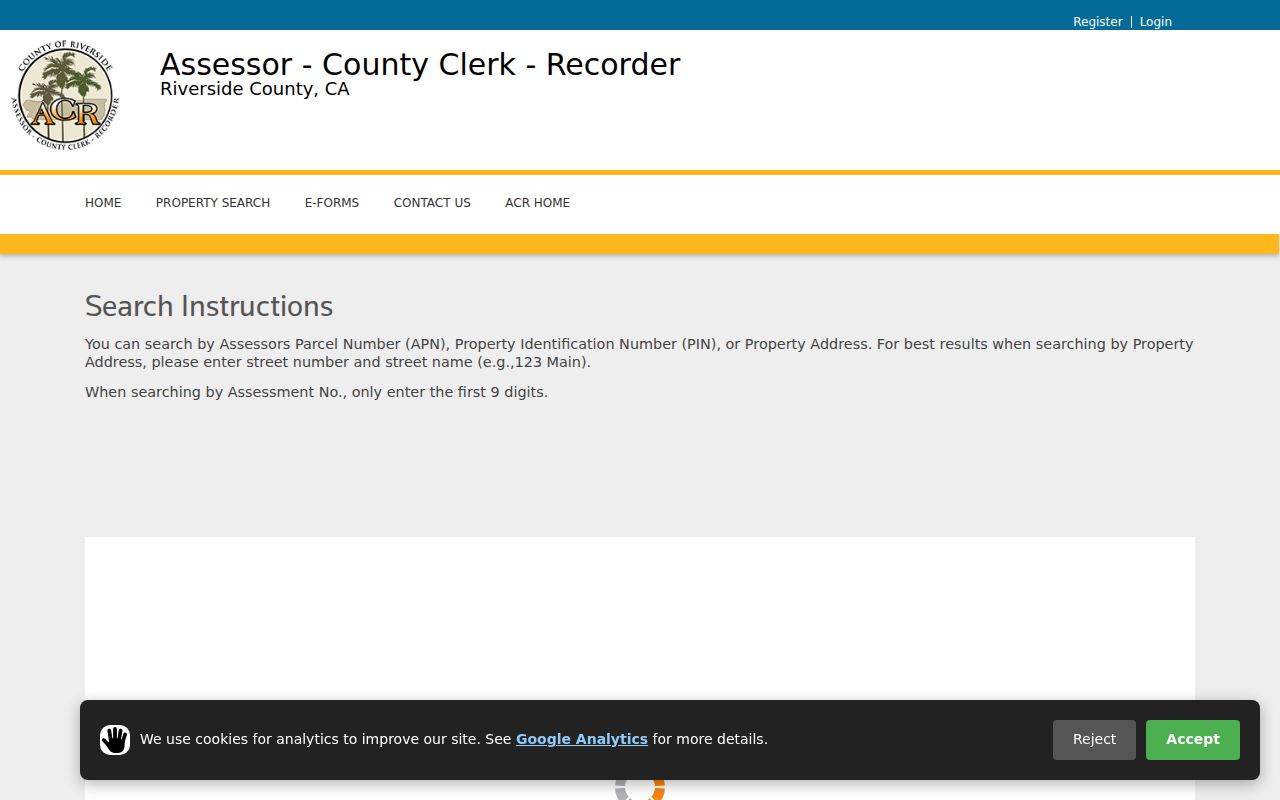
Use the displayed parcel facts to avoid false joins. A similar street name, a mailing address in another city, or an old legal description can all point to a different parcel entirely. The legal description and APN form the safer bridge into a deed index.
Current Coachella Resident Directories
Think of the Coachella residents directory as a group of partial records. It is not one master list. Each source covers people for its own reason. A staff roster names employees, and a court index names parties. A voter roll names electors. None of them adds up to a citywide household count. A careful lookup notes what each record actually covers. It also notes when it was made and which office keeps it. That habit keeps a Coachella resident lookup honest.
| Source | What it may show | Keeper | Access |
|---|---|---|---|
| Assessment roll | Owner and tax-mailing destination for a parcel | Riverside ACR Assessor | Office inspection; parcel facts online |
| Recorded documents | Grantors, grantees, document type, date, legal description | Riverside ACR Recorder | Free index; copies ordered or viewed at an office |
| Voter status | One registrant’s status, polling place, and ballot details | California Secretary of State | Authenticated self-lookup |
| City files | Applicants, officials, contractors, permits, and civic participants | Coachella City Clerk / Development Services | Online request or department contact |
| Business and license indexes | Entity, agent, license, filing, and discipline details | California SOS / DCA / ACR Clerk | Online indexes with field-specific limits |
| Archives and directories | Past addresses, occupations, families, organizations, and local context | Library, CV History Museum, NARA | Catalog, appointment, or partner access |
| Unclaimed property | Former reported name or address | California State Controller | Free name search; claim requires proof |
Every source answers a different question. A city staff listing places an official in a job, not in a private home. A business filing names a registered agent or a filing address. That address can be a storefront. Court papers give a name and a role. They do not confirm where anyone lives. For case questions, the Riverside court public-access instructions are the practical starting point. For land and ownership, the county assessor and recorder remain the right records offices.
California Voter Status Is Self-Check
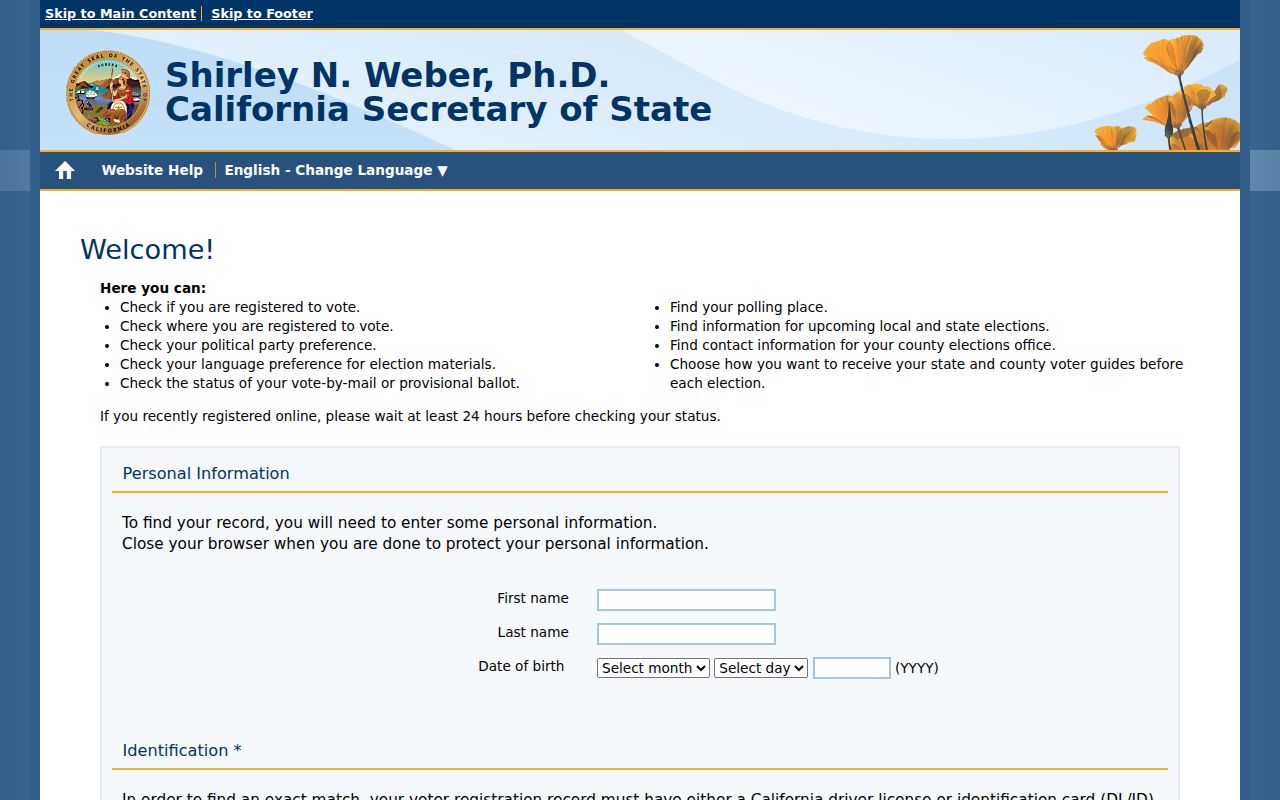
California's My Voter Status tool looks like a resident lookup. But it works only for the voter. The registrant enters a first and last name, a date of birth, and one identifier. This may be a driver license number. Or it may be the last four digits of a Social Security number. The system then returns that person's own registration status, party preference, language preference, polling place, upcoming elections, county contact, and ballot or guide delivery. It returns nothing about anyone else.
Elections Code section 2194 limits how registration data may be used. Personal, private, and commercial uses are barred. So are harassment, advertising, solicitation, and republication online. Election, scholarly, journalistic, political, and governmental requests have a separate route through the Secretary of State or a county official. Driver-license data, Social Security digits, signatures, and unique voter identifiers stay confidential. Protected-voter rules under sections 2166 through 2166.9 can even withhold an address.
| My Voter Status field | Role in authentication |
|---|---|
| First and last name | Exact identity entry for the registrant. |
| Date of birth | Month, day, and year selectors used to authenticate the account. |
| California DL or ID | One identifier route, with a no-DL/ID option. |
| SSN suffix | Alternative identifier route using the last four digits. |
| Returned status | Registration, polling place, election, ballot, and contact information for that voter. |
The California My Voter Status form illustrates the authentication fields. Its layout supports a private self-check, not a neighbor search.
Note: A California voter-file request requires an approved purpose and does not turn registration data into a private Coachella street list.
When a Court Name Needs a Match
Riverside Superior Court serves as the local court source for Coachella. The Indio Larson Justice Center handles many eastern-valley matters. Venue should still be confirmed with the court. Its public portal splits searches into Index, Register of Actions, Calendar, and Documents. An index search by name draws on account credits. A register-of-actions search needs a case number. A calendar search covers current and future dates up to seven days out. Documents require a case number plus a fee, and court rules cap what is viewable.
A result may show a case number, title, type, filing date, and status. It may also list party roles, court location, event descriptions, future hearings, and department. Treat that as a lead, not proof. A shared name does not make someone the Coachella resident in question. Check a filing date or a known relationship. Parcel details may help where lawfully visible, as may a business tie. Probate can name a personal representative or heirs. Sealed, juvenile, adoption, confidential family, and restricted material may simply be unavailable.
The Riverside Superior Court public-access page shows the court route for case research in Coachella and the eastern valley.
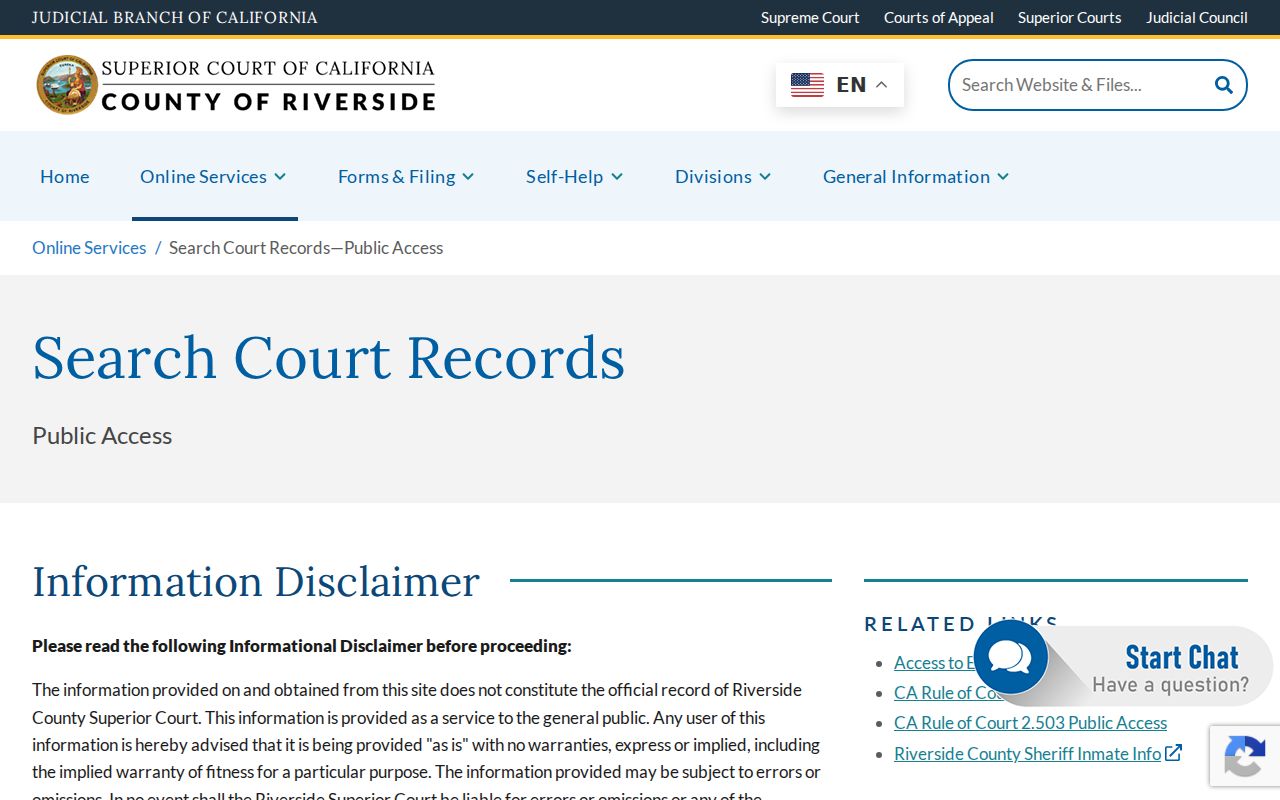
Online access is not the only route. The RI-MC002 search and copy request can go by mail or in person. It asks for contact details, party names, an approximate filing year, the case type, and any known document title or filing date, plus the search or copy wanted and payment and delivery preferences. A clerk search returns case-number information. It does not hand over an entire file by default.
Coachella Files Through NextRequest
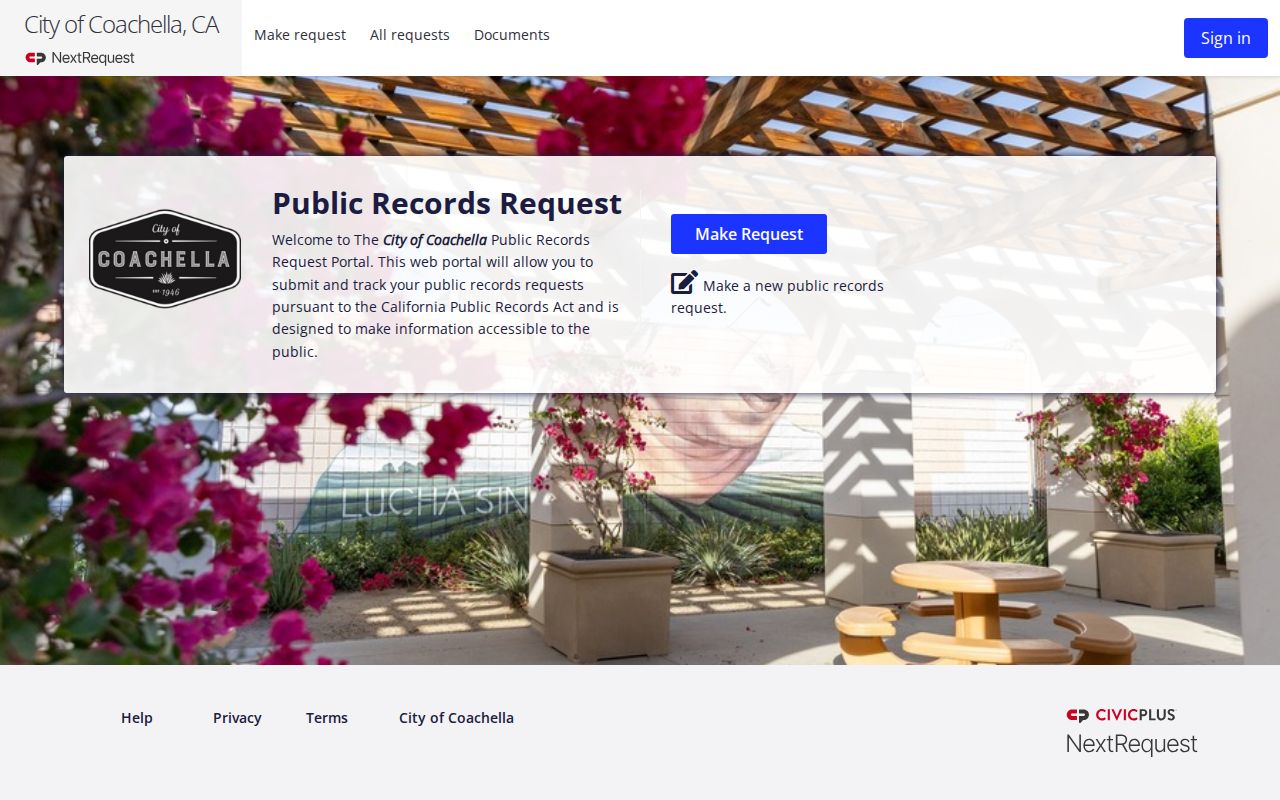
Start with the City Clerk for existing city records. Those include certified minutes, resolutions, ordinances, agreements, contracts, and other municipal writings. Coachella's NextRequest portal lets a requester describe the records and follow the response. Requesters get notice of availability, production time, and cost. The City Clerk request guidance lays out the determination timeline and fee notice. A tight request names a department, a date span, an address or APN, and a project or permit number. Add a preferred electronic format too. Ask for a record that exists. Staff will not build a new resident directory or answer an open-ended question.
Development Services keeps building permits and code-enforcement files inside city limits. An address request might cover an application, an issued permit, an inspection card, and a certificate of occupancy. It might also cover a named applicant or contractor and records of finished work, subject to exemptions. Active development reports track current amendments, zone changes, and subdivision maps. They also track architectural review, conditional-use permits, and variances. Finished or expired projects drop off those reports. A narrow NextRequest becomes the historical fallback.
The Coachella NextRequest portal is the city’s online channel for public-record descriptions and request tracking.
City Connect and SeeClickFix reports can show issue text, a location, and a display name unless filed anonymously. That name belongs to the report or the civic interaction. It does not prove ownership or residency. Police and incident records run through Riverside County Sheriff. Victim, juvenile, medical, and active-investigation protections may keep them closed.
Official Rolls Versus Paid Finders
Paid people finders feel fast. They blend public and purchased data into one profile. That blend can merge strangers with similar names. It can cling to old addresses. It can even dress up a commercial filing address as a home. No label on a copied profile makes it a certified county or court result. And no vendor changes what California law allows. Official rolls take more steps because each records office keeps only what its purpose requires. That limitation is exactly what makes an official Coachella lookup worth the trouble.
| Route | Useful for | What to verify |
|---|---|---|
| Riverside assessor and ACR | Parcel, ownership inspection, deeds, and legal descriptions | Roll date, APN, party role, document image or copy |
| Riverside Superior Court | Case roles, dates, probate, and public docket events | Case number, division, identity anchors, access limits |
| State and city sources | Voter self-status, licenses, businesses, permits, and civic records | Purpose, current custodian, filing address versus personal location |
| Library and archives | Historical households, community context, and past addresses | Exact volume, edition, catalog scope, and source date |
A free index can still end at a paid copy. A public page can still hide protected material. The cleanest Coachella residents directory habit is simple: record the source, the date checked, the field searched, and why a result was kept or set aside.
Historical Coachella Resident Directories
No official source publishes a complete standalone Coachella city-directory run with a firm first and last year. That gap matters. Coachella began as a Southern Pacific siding and farming settlement around 1898. It incorporated in 1946. Older households may instead appear in Coachella Valley, Indio, Palm Springs-area, or telephone-directory titles. A Polk-style Coachella volume simply may not exist. Ask staff at the Riverside County Library System catalog or the Coachella branch to search title, subject, and keyword records. Noncirculating local-history holdings are worth requesting too.
The Coachella Valley History Museum in Indio is the strongest documented local archive. Its appointment-only repository spans more than 100 years. It holds newspapers, magazines, business licenses, photographs, documents, and records. So a missing directory entry can be filled by a newspaper notice, a business license, a family photograph, an oral history, or a deed. The full collection and reading method live on the Coachella city directory page.
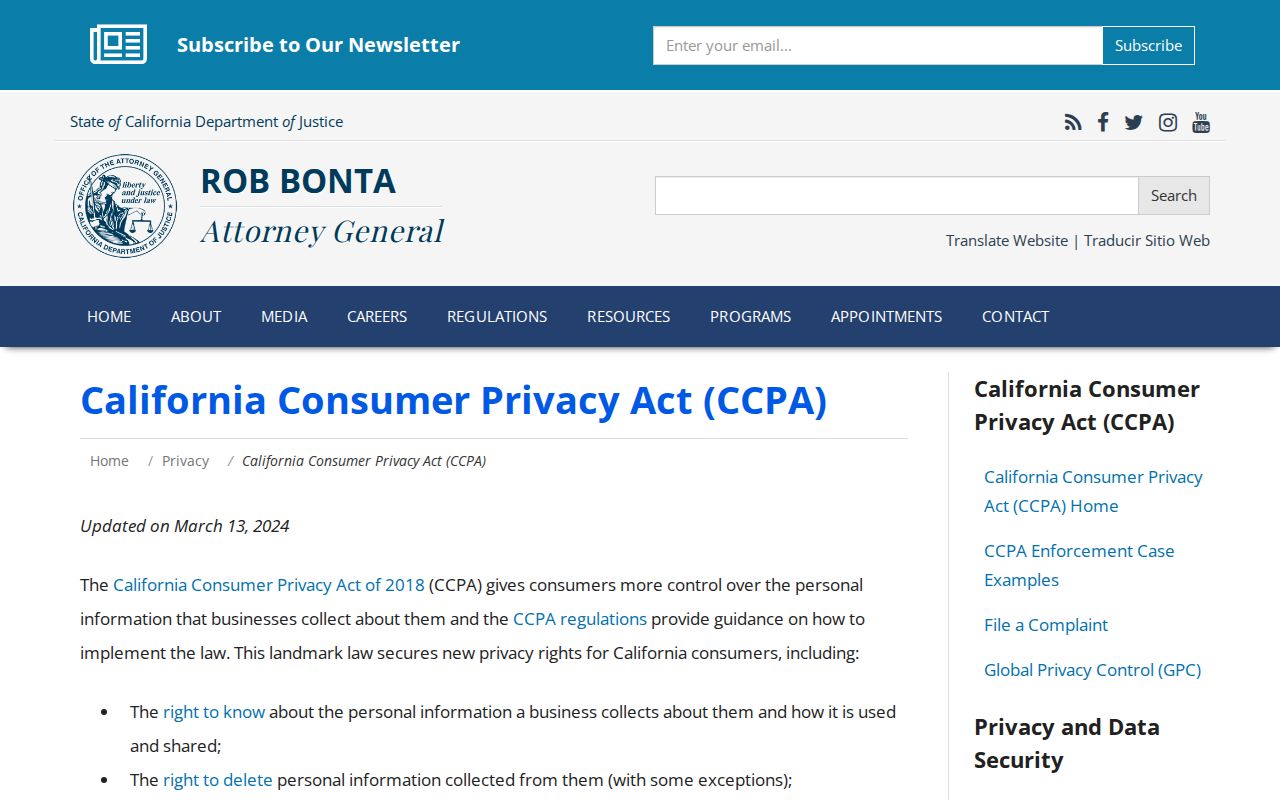
The California Attorney General privacy guidance explains consumer-data rights that matter when a commercial record copy is wrong or outdated.
Census schedules from 1900 through 1950 are open to the public under the 72-year rule. That covers half a century of Coachella households. Fill the gaps with a directory or telephone volume from an intervening year. Then test a suspected address change against the recorder's deed trail or an obituary. Census QuickFacts for Coachella adds city-level context only, not a household roster. Expect rough edges: rural routes, tract descriptions, compound surnames, initials, married names, and dropped diacritics mean one exact spelling is weaker than a cluster of related clues.
Coachella’s Railroad and Farm Record Trail
The records that survive reflect how Coachella grew. Southern Pacific rail access brought the export of dates, citrus, and vegetables. That scattered people across railroad, grower, irrigation, packing, shipping, and community records. So a farmers directory or packinghouse payroll can be as useful as a city directory. The Coachella Valley History Museum offers several places to gather search terms. The Japanese Memorial Garden, the Desert Cahuilla room, and the railroad, fire, water, and agriculture exhibits all suggest them when a surname-only catalog query comes back empty. When you ask, name a person, business, decade, crop, street, or tract. Say what format you want.
Record language moved with the landscape too. Early rural land may be described by township, ranch, irrigation district, crossroads, or route. It might not use a modern house number. Even the city's name appears as Coahuilla or Conchilla in older documents. Keep those variants in a search log. One local founder carries two reported birth years. That is a good reminder that a date range beats forcing a single value into every index you touch.
| Clue | Useful follow-up |
|---|---|
| Railroad or station reference | Search newspapers, maps, business files, and local history by the siding or route. |
| Grower, packing, or irrigation term | Ask the museum about agriculture, water, business-license, and community holdings. |
| Tract, avenue, or crossroads | Compare legal description, APN, county GIS, and historical maps. |
| Variant surname or place spelling | Try compound, hyphenated, accented, initialed, married-name, and alternate place forms. |
Note: Digital abundance follows recent development activity in Coachella; older family evidence may remain in paper, photographs, newspapers, deeds, and assessment records.
Where the Coachella Trail Ends
Riverside County's systems each keep their own clock. The recorder's online index starts January 1, 1974. Office computers reach back only to 1975. Anything earlier is routed to Gateway Riverside. Court digitization varies by division. Indio civil begins in the early 1990s. Family starts in 1992, and probate in 1994. Felony coverage opens in 1990, while misdemeanor begins in 1993. Government Code section 68152 allows older cases to be purged. So an empty online result does not mean no record ever existed.
A public-record request is the fallback for a reasonably described existing record. Under the California Public Records Act, Government Code sections 7920.000 and following, an agency ordinarily decides within ten calendar days. It may extend that by up to fourteen days in specified unusual circumstances. The agency need not create a new directory. It need not answer a research question or release exempt material. A narrow APN, a date span, a department, a document type, and a preferred format give the custodian something workable. That is what makes the search findable.
Archive gaps follow the same logic. The library page lists no Coachella city-directory run, and no official citywide neighborhood-association roster exists. Those are boundaries, not dead ends. The best move is asking the custodian or archivist directly what is held. That beats papering over the gap with a generic claim.
Finding Heirs, Classmates, and Businesses
A Coachella residents directory serves personal research best when the goal is precise. An heir trail might start with a decedent's probate case. It can run through public petitions or notices and end at a deed or obituary. A former classmate may surface in library, alumni, or archive yearbooks. School records themselves stay protected. Birth-parent searches go through California's official adoption-information and consent procedures, because adoption files are confidential. Keep a custody question separate from a residence question. The Riverside County Sheriff inmate search and California CDCR CIRIS are status channels only. An inmate result does not prove a Coachella address. Each route respects its own record type. None of it forces every source into a name list.
Business research runs on a different chain. California Secretary of State bizfile links an entity name to status, agent, filings, and addresses. Riverside ACR fictitious-business-name records, city permits, and professional-license searches add legal or occupational context behind a local business name. Remember that a registered-agent or filing address is not a personal residence. A result can look wrong. In that case, ask the custodian to correct the source record rather than editing a copied profile.
Anchor every note with two independent facts. Name plus APN, case number, license number, relative, date, or address works well. Compound Spanish surnames, initials, married names, punctuation, spacing, and diacritics can split one person across indexes. California's 2026 vital-record changes permit specified diacritical marks on new or amended records. Older indexes may carry a plainer spelling.
Protected Addresses and Lawful Limits
Not every gap in the Coachella residents directory signals missing data. Some absences are deliberate shields. California Safe at Home issues substitute mailing addresses to qualifying survivors, and to reproductive-health workers and patients who enroll. Voter protections can withhold a residence the same way. The federal Driver's Privacy Protection Act keeps motor-vehicle residence data out of public circulation, while court, vital, voter, and police records each carry sealing, redaction, eligibility, and purpose rules of their own. A blank result in a resident lookup may simply mean the law is doing its job.
Use records for lawful personal research. Do not use a Coachella residents directory, a court result, a voter record, or an address clue to stalk, harass, intimidate, or harm anyone. Verify with the responsible custodian before relying on a record.
The same statutes that open records can also penalize misuse. California laws cover stalking, criminal threats, harassment, identity theft, and voter data. They apply when someone weaponizes directory information. Keep a relative or heir search lean. Start with the smallest useful set of facts and resist the urge to guess. Never publish a protected address. Never infer a home from an office listing. Never treat a display name in a public record as proof of residence. A defensible trail through any street directory or property roll records the source. It also records the scope and the reason each record fits.